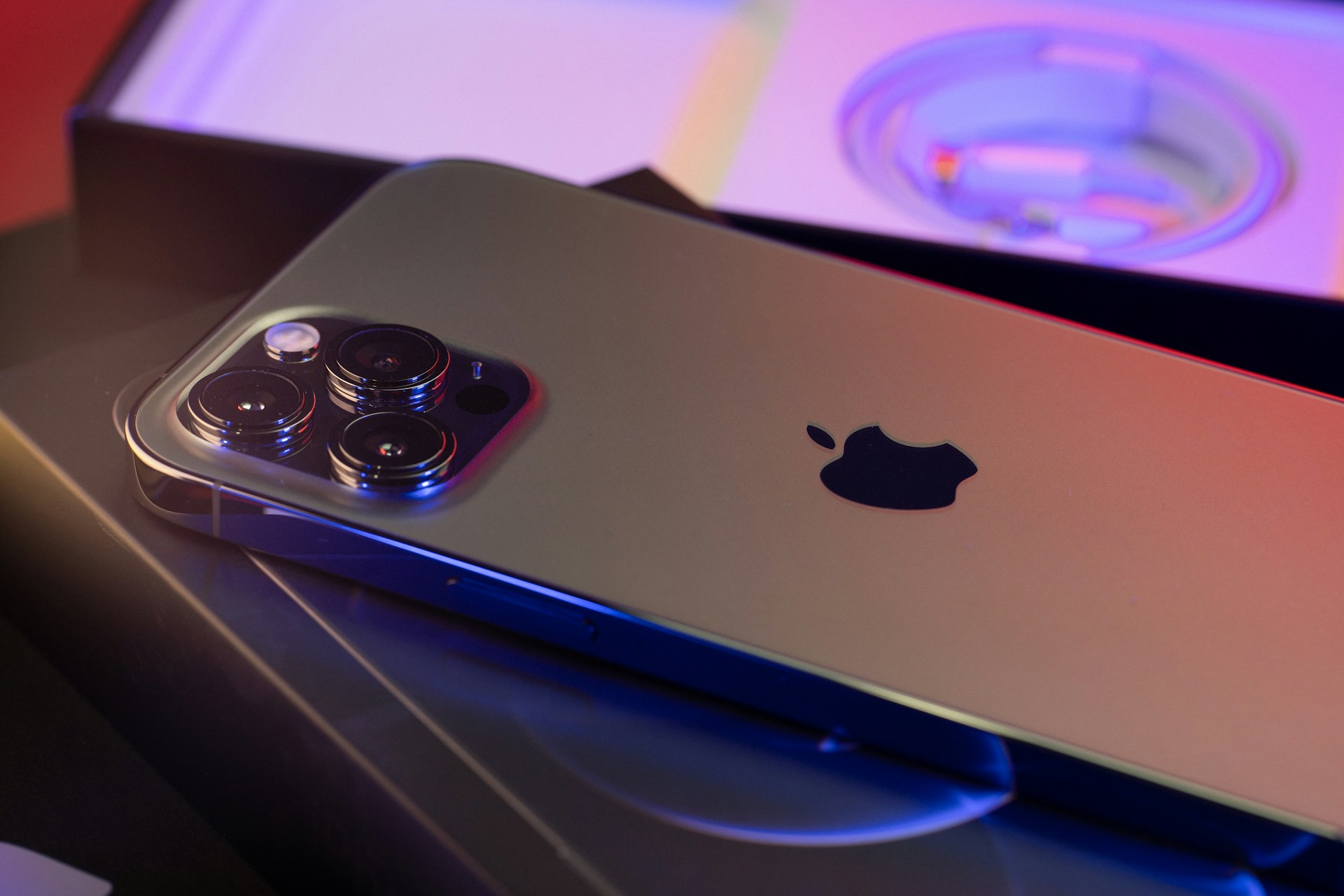
The landscape of Apple’s supply chain is poised for a significant shift closer to home, with the upcoming iPhone 18 generation likely featuring camera components manufactured on U.S. soil. Reports surfacing from Korea indicate that Samsung is actively retrofitting its facility in Austin, Texas, to produce CMOS image sensors specifically for Apple’s future flagship devices. This move represents a deepening of the relationship between the two tech giants, evidenced by Samsung’s recent recruitment of mechanical and electrical project managers to oversee these new assembly lines.
According to industry sources, including The Elec, the Texas plant is currently in a critical preparation phase. Crews are installing essential utility infrastructure, such as gas and water piping, which signals that the facility’s “clean rooms” are nearing completion. These sterile environments are vital for semiconductor manufacturing, where surface cleanliness accounts for roughly 40 percent of the process success rate. The timeline suggests mass production will kick off as early as March 2026, aligning perfectly with the anticipated launch window for the iPhone 18 family. If the technology meets yield expectations, these American-made sensors will likely debut in the Pro and Pro Max models.
Capital Injection and Infrastructure
Underscoring the magnitude of this project, Samsung recently outlined a $19 billion investment plan to the Austin city council. This massive capital injection is earmarked for repairs, maintenance, and the acquisition of advanced manufacturing equipment. Industry insiders link this expenditure directly to an agreement finalized last August, positioning the Texas facility as a primary supplier for Apple’s optical components. This transition marks a strategic pivot to consolidate the production of critical hardware within North America.
A Legacy of Optical Engineering
To understand the standards expected of these new Texas-made sensors, one must look at the technological baseline established by previous compact flagships, such as the iPhone 13 mini. Released in September 2021, this device set a high bar for miniaturized performance that future iterations continue to build upon. The 13 mini’s dual-camera system featured a 12 MP main sensor with a remarkably fast f/1.6 aperture and a 26mm focal length. Crucially, it integrated sensor-shift optical image stabilization (OIS)—a feature that physically moves the sensor rather than the lens to counteract shake—alongside a 12 MP ultra-wide lens. This optical foundation allowed for 4K video recording at 60 fps and sophisticated HDR capabilities, proving that professional-grade imaging could fit into a palm-sized chassis.
Compact Powerhouse Architecture
Beyond the camera, the iPhone 13 mini demonstrated how much hardware Apple could pack into a 5.4-inch form factor. The device was driven by the Hexa-core A15 Bionic chip, built on a 5-nanometer process, which paired two high-performance Avalanche cores clocking at 3.23 GHz with four efficient Blizzard cores. This silicon handled everything from image processing to the demands of iOS 15 through the current iOS 18 updates. The visual experience was delivered through a Super Retina XDR OLED display, boasting a resolution of 2340×1080 pixels and peak brightness hitting 1200 nits. Durability was ensured by a Ceramic Shield front and an IP68 rating for water and dust resistance, encased in an aluminum frame with a glass back.
Connectivity and Endurance
Despite its diminutive size—measuring just 5.18 inches tall and weighing under 5 ounces—the device offered comprehensive connectivity options that remain relevant. It supported an extensive array of 5G bands, Wi-Fi 6, and Ultra Wideband (UWB) technology. Powering this hardware was a 2406 mAh Lithium-Ion battery, capable of delivering over 12 hours of browsing time or roughly 6 hours of continuous video playback. The system supported 20W fast wired charging and 15W MagSafe wireless charging. With a launch price of $699 for the 128GB model, the iPhone 13 mini remains a testament to the intricate engineering Apple demands—a legacy that the new production lines in Texas will aim to uphold for the next generation.